
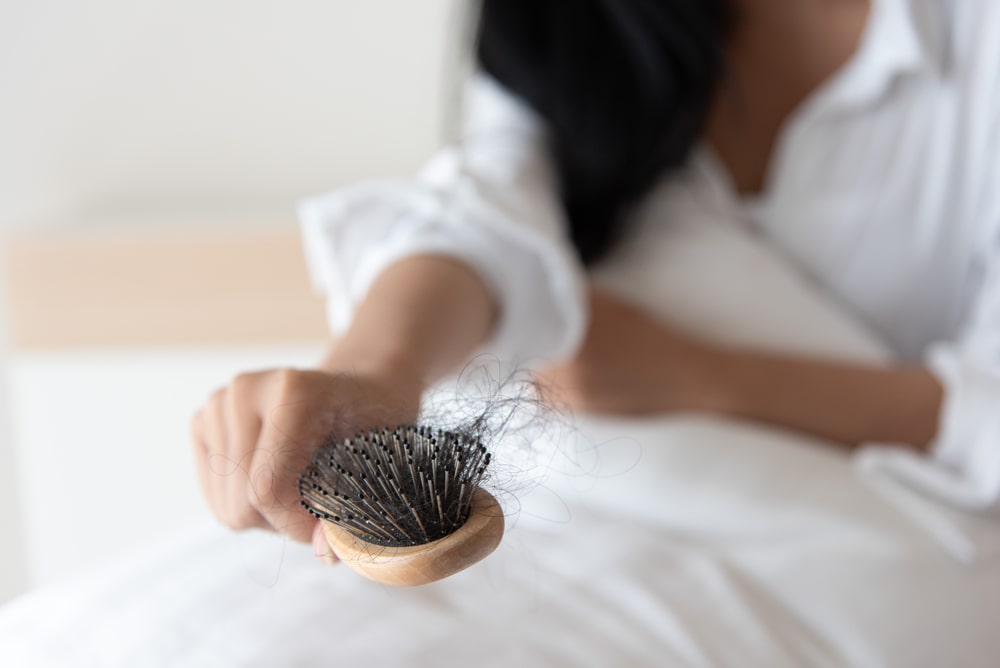
Most conversations about hair loss focus on the hair itself. But the scalp is where the real story begins. Follicles live there. Blood flow happens there. When the environment on the scalp is off, the hair growing from it pays the price. Understanding what is happening at the scalp level can change how you approach thinning hair. It shifts the focus from chasing products to addressing what is actually driving the problem.
Signs That Scalp Health May Be a Factor
Not every case of thinning is genetic or hormonal. Scalp conditions can quietly accelerate shedding long before most people connect the two. A few signs worth paying attention to:
- Persistent flaking or buildup around the hairline or part line, which can clog follicles and slow growth
- Itching or tenderness that does not resolve on its own, possibly signaling inflammation at the root level
- Oily or overly tight skin on the scalp that feels different from your normal baseline
- Visible redness or irritation in the areas where thinning is most noticeable
- A scalp that feels numb or lacks sensation, which may indicate reduced circulation
None of these symptoms guarantees hair loss on its own. When they appear alongside visible thinning, however, they are worth discussing with a professional.
Why Scalp Circulation Matters
Hair follicles need oxygen and nutrients to function. They get both through blood flow. When circulation to the scalp is compromised, follicles can shrink over time, produce thinner strands, and eventually stop producing hair altogether. This process, called follicle miniaturization, is gradual and easy to miss until it has been progressing for months.
According to the American Academy of Dermatology, hair loss affects millions of people across all age groups, with causes ranging from genetics to inflammation to nutritional gaps. That range matters because it reinforces why scalp health is not a one-size-fits-all issue.
What Inflammation Does to Hair Follicles
Inflammation is one of the more overlooked contributors to thinning hair. It can be triggered by product buildup, skin conditions like seborrheic dermatitis, or ongoing physical stress. Over time, low-grade scalp inflammation disrupts the follicle’s growth cycle and shortens the active phase of hair production. This is part of why some patients notice improvements in density after treatments that address scalp health directly rather than the hair strand alone.
The Connection Between Aesthetics and Hair Health
What happens in an aesthetics practice is not separate from hair health. Treatments including RF microneedling, Intense Pulsed Light, and other skin-focused procedures have overlapping benefits for scalp tissue and circulation. The esthetician and medical team at Discovery Skinworks approach hair and skin concerns with the same standard: address the underlying condition, not just the visible result.
Their Hairworks™ program combines fractional laser therapy with KeraFactorMD® growth factor serum to improve the scalp environment and support follicle activity over time. The approach is gradual, non-surgical, and built around individual care plans rather than a standard protocol.
When to Consider Professional Treatment
If you have noticed persistent scalp discomfort alongside thinning hair, waiting it out is rarely the most productive approach. Early intervention tends to produce better outcomes simply because there are more active follicles to work with.
If scalp concerns are something you have been managing without real progress, Valencia hair loss treatment options at a physician-led practice are worth exploring. Daphne Horowitz MD and the Discovery Skinworks team are available to evaluate your scalp health and walk you through treatment options aligned with your goals. Reach out today to schedule an appointment and take a more informed step toward healthier hair.
Not Medical Advice: Nothing on this website should be taken as medical advice, and no information provided is a substitute for consultation with your own physician. Results will vary.